Meet the Ulrich lab
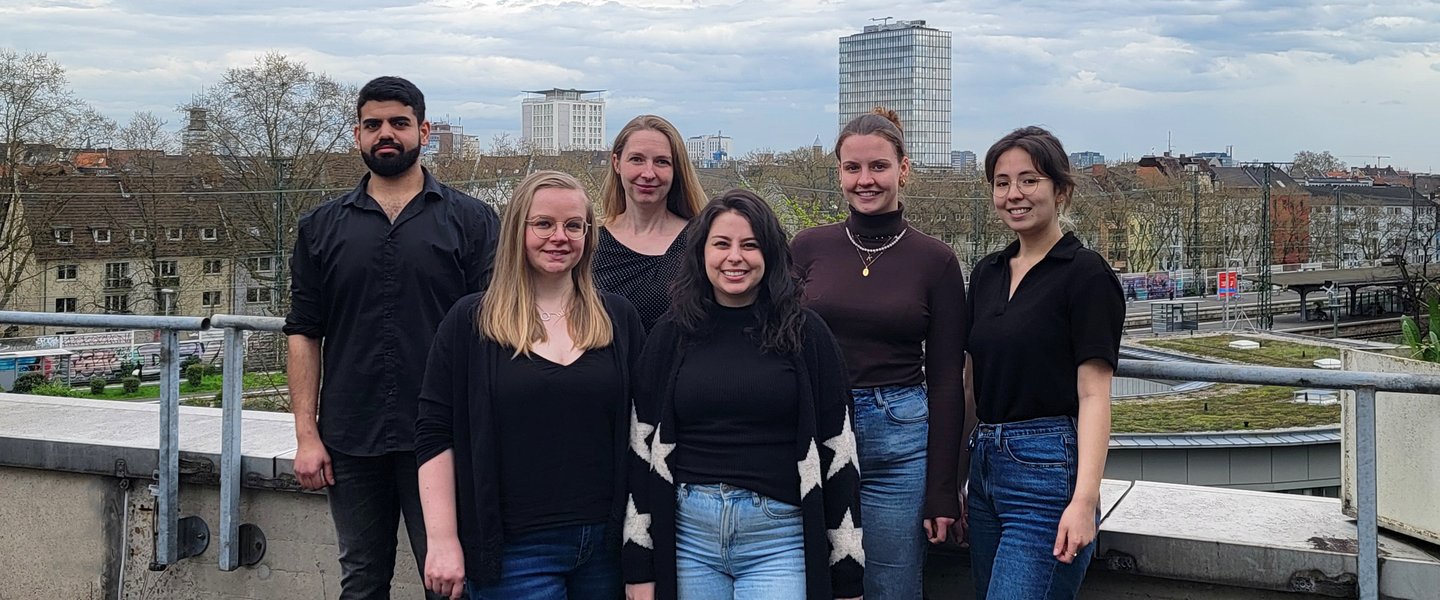
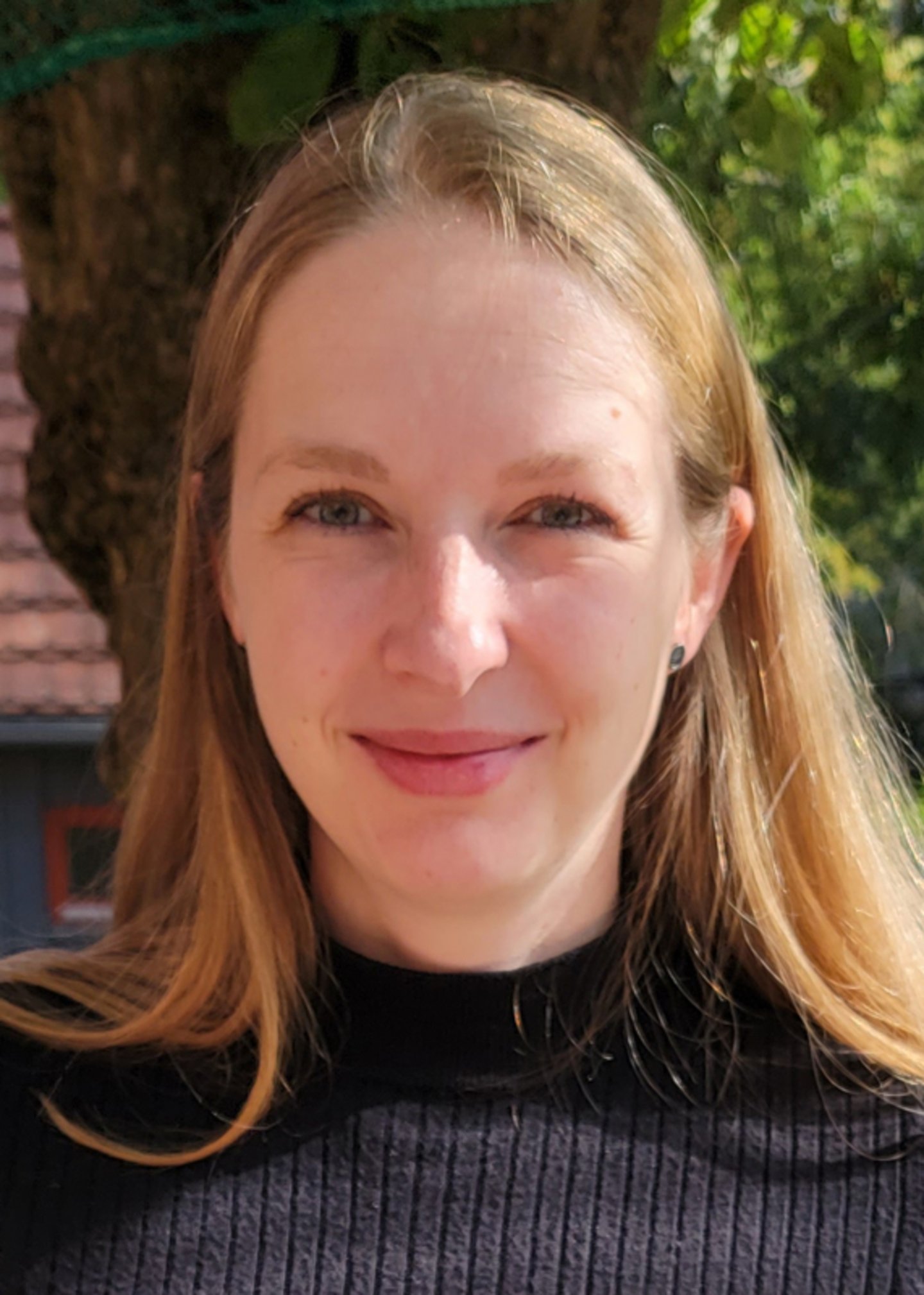
Kathrin Ulrich
Principal Investigator
Kathrin received her PhD in 2017 at Heidelberg University where she worked on oxidative protein modifications in African trypanosomes. In Oct 2017, she joined the lab of Ursula Jakob at the University of Michigan as a postdoc to study redox-regulated chaperones and their roles in cell stress responses. Since Oct 2022, she is Juniorprofessor for Cellular Biochemistry at the Institute of Biochemistry at the University of Cologne working on redox regulation of chaperones and proteostasis.
kathrin.ulrich@uni-koeln.de
+49 (0)221-470-76825
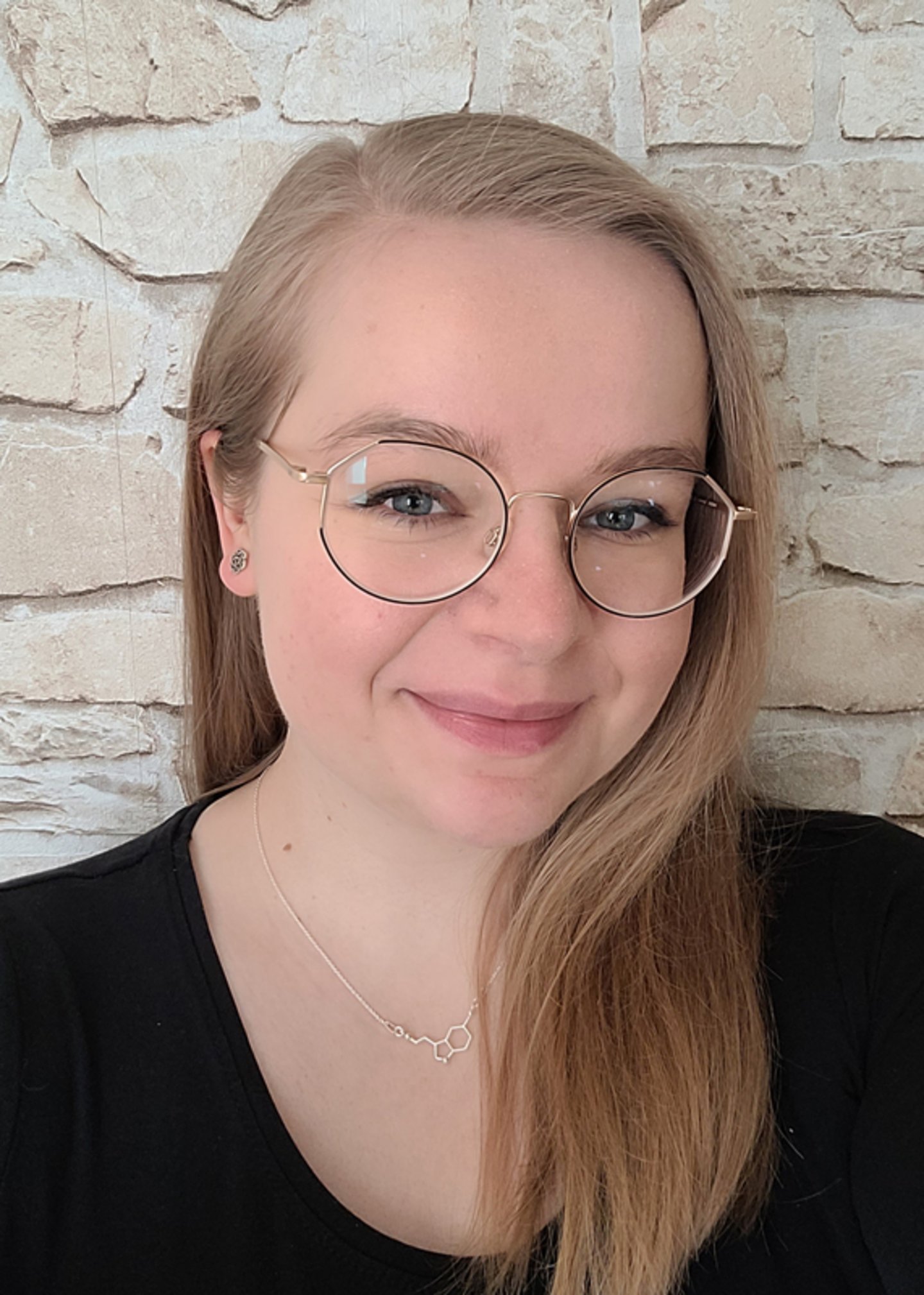
Lara Knaup
PhD student
Lara completed her MS at the Institute of Medical Biochemistry and Molecular Biology at the University of Greifswald in Apr 2023 and has started her PhD in Jun2023. She is investigating the cellular redox regualtion of the stress-sensing chaperone Get3 and focuses on the interactome to unravel client binding and the interaction with the cellular proteostasis network.
lknaup@uni-koeln.de
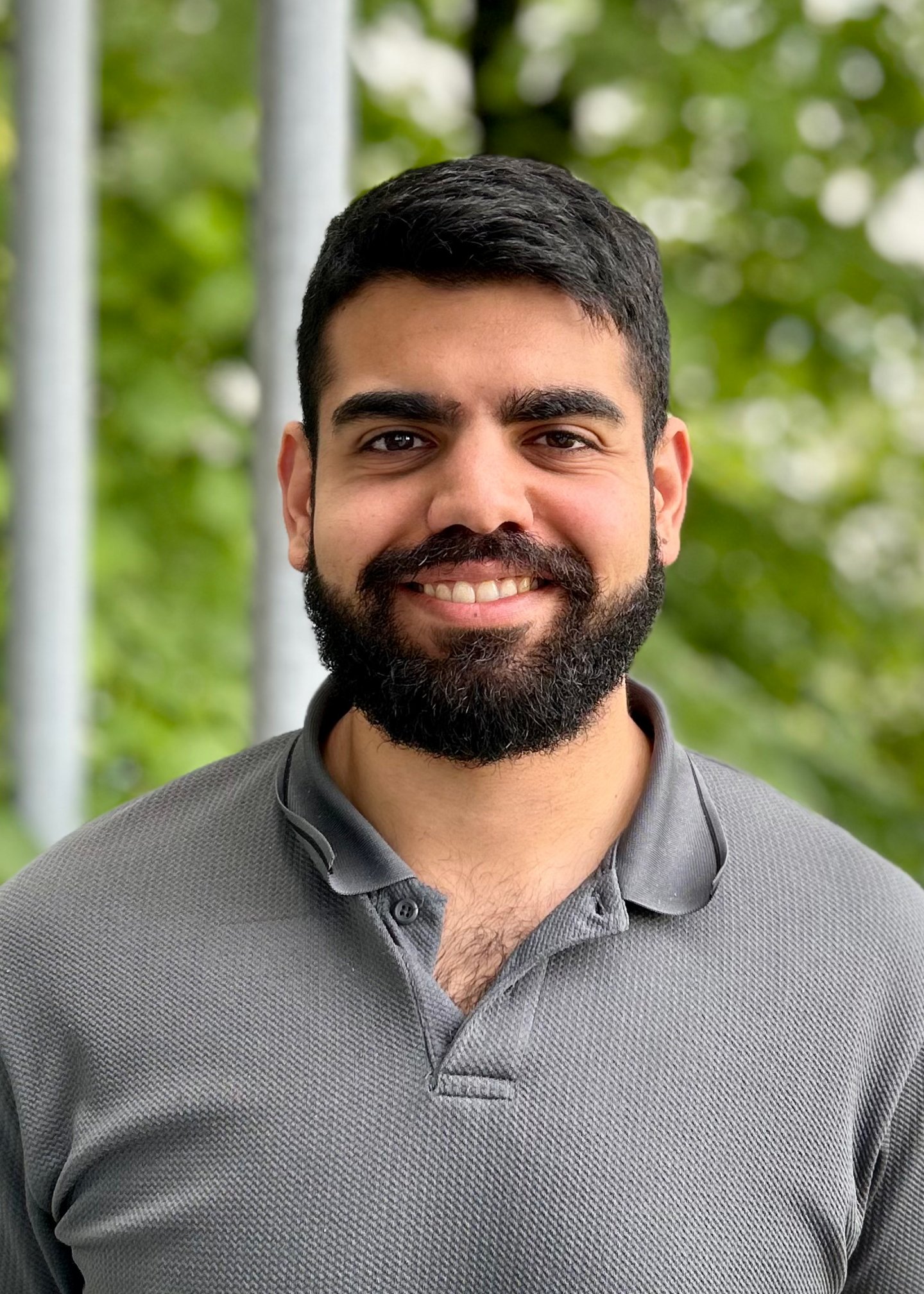
Shayan Motiei
PhD student
Shayan conducted his master's thesis at the Institute of Biochemistry, University of Cologne, where he studied subunits of the respiratory chain complex I as sensors for oxidative damage in the mitochondrial matrix. In December 2023, he joined the Ulrich lab and began his PhD journey. He is investigating the role of a redox-regulated chaperone, ASNA-1, in the nematode worm C. elegans. The primary focus of his project is to elucidate the role of ASNA-1 as a hub connecting redox and protein homeostasis during aging and under stress conditions.
smotiei@smail.uni-koeln.de
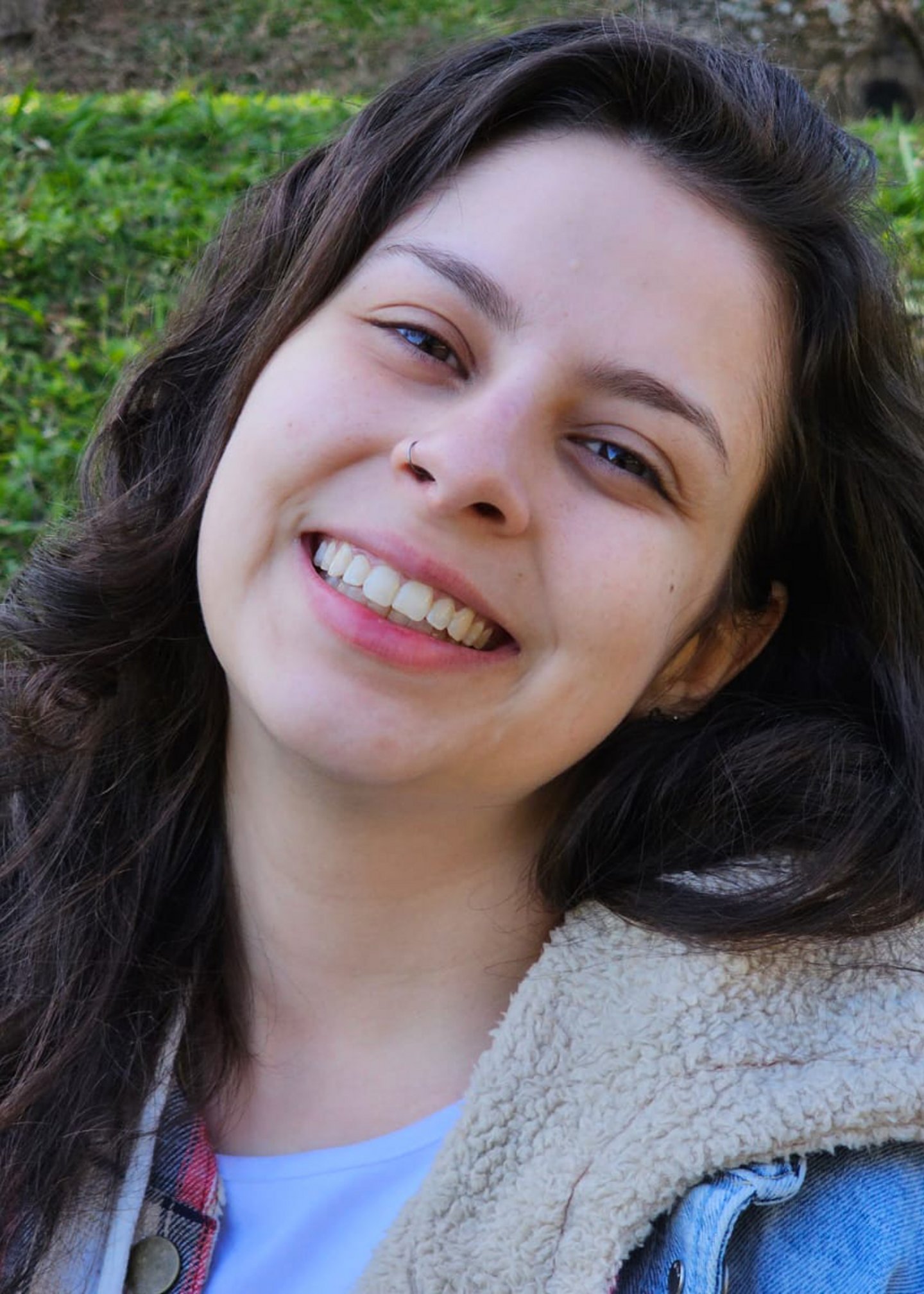
Bianca Dempsey Pinto
Postdoctoral fellow
Bianca completed her PhD in Biochemistry at the University of São Paulo, Brazil, where she studied heme peroxidases and the redox metabolism of uric acid. During her doctoral studies, Bianca also did an internship at the University of Michigan, where she worked on the stress-induced chaperone function of TRC40, the human homolog of Get3. In 2024, Bianca joined the Ulrich lab to investigate the role of TRC4O and its interplay with redox regulation and proteostasis in human cells.
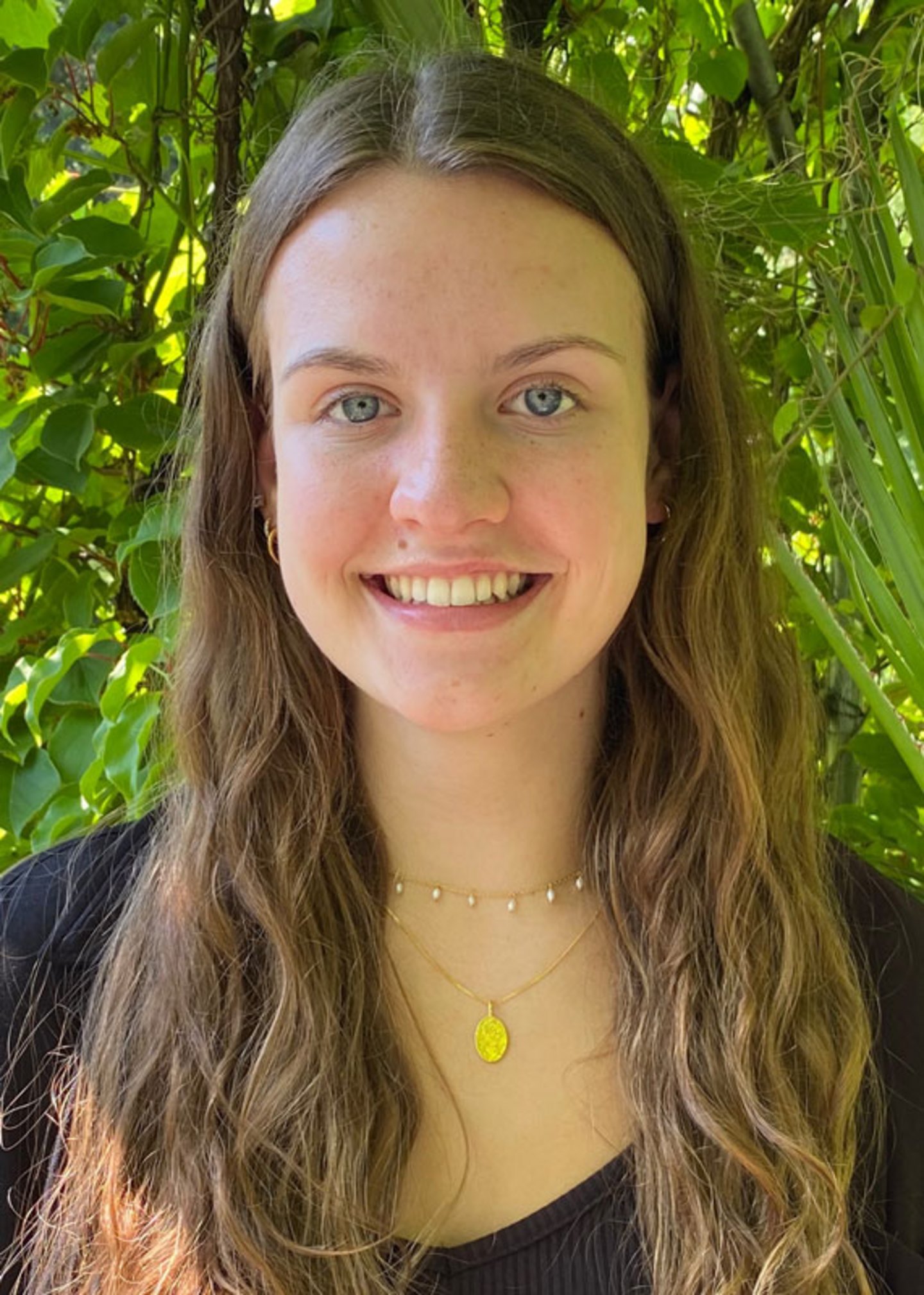
Katharina Utschakowski
Student assistent
Katharina has writen her Bachelor thesis in the Ulrich lab. She is studying the Master Biochemistry and Molecular Medicine at the University of Cologne and working on her project as a student assistent. Her work focuses on the structural and functional characterisation of a mitochondrial protein that shows strong structural similarities to the stress-sensing chaperone Get3. As a result, she wants to investigate whether this protein could also function as a chaperone under ATP-depleting conditions.